The introspective humdrum life of an eccentric hexagenarian.

Visit my other blogs: "Elderberry Bike Rides of Delaware
," organized bicycle rides for families, senior citizens, and anyone interested in getting back into biking; and "Cloister Voices," the collected thoughts of modern and ancient hermits, eccentrics, solitaires, wanderers, mystics, and others who inhabit the monastery within.

Saturday, December 20, 2008

Driving Home
(a journal entry*)

It’s odd, but it’s never at Thanksgiving or Christmas that I think about going home, a home that no longer exists in time and space but only in my memory.
The home of my innocence. The home of my childhood. It’s when the first hint of Spring fills the air with the promise of things blossoming that I find myself getting in the car and driving. And driving. Searching for home.

A few years ago, one of these drives led me through the back roads of North Carolina. I wandered for several days amidst woods and streams and barefoot walks on the new shoots of chartreuse green grass and when I’d had my fill and felt almost comforted again, I pointed the car north and headed home, to the home that currently exists, sometimes just as much as a memory or an illusion as the home of my memory.

It was on this trip that the two most profound gatekeepers of my journey quest stepped into my path. Royal Amberline and Jimmy. They still live in my mind as friends, mentors, keepers of the secret and I wonder if they ever think of me.

I had pulled into the parking lot of “Royal Amberline's Gemstone and Rock Shop” housed in the long strip of a converted 1950's motor court on North Carolina's wide and quiet State Road 29. Once a going concern that feed, entertained and housed tourists on the only good road through North Carolina’s humid summers, the newer superhighways and large vacation theme parks had left it uncommonly quiet and isolated as the last bit of Americana where you could still buy a Coca Cola in its signature hour-glass bottle, postcards for twenty-five cents, and be entertained by Royal Amberline, the area's resident quarter-Choctaw native who told stories of his childhood spent with a grandmother who passed on to him her secrets of herbal healing and the mysteries of gemstones.

The motel rooms had been renovated into one long thin ten foot wide bleached gray wood plank building of dusty displays of rocks, gems, and geodes split open to reveal circles of sparkling amethyst. In nearby bins, leather moccasins, faux coonskin caps, rubber tomahawks, stale boxes of hard candy all lay as they had for years under the watchful eyes of two women clerks who seemed to be at odds with one another, a state they'd apparently been in for many years. Their anger had that shop-worn feel to it that was capable of erupting any minute into a long rehearsed dialogue of arguments now filed down to a shorthand of sidelong glances, subtle smirks, and appraising expressions that spoke volumes.

I was the only customer in the shop and felt drawn into their long-standing differences. They both eyed me suspiciously and tried to draw me into their conversation of edgy words. I busied myself with choosing a perfectly round piece of hematite and several postcards of the North Carolina's countryside. I paid for my purchases without comment and hurried out the door to my car.

"Find what you want, young lady?" a male voice said.

I turned to face the man who had been sitting in a rusty lawn chair tipped back against the edge of the doorway to the shop. He looked to be in his late sixties, had a slight paunch that hung over his belt, and wore a baseball cap with the insignia, "Just Say Yes!"

"Yes, thanks," I replied noncommittally.

"Could I see the stone you bought?" he asked. "I'll tell you the secret about it. And you."

"Then it wouldn't be a secret any longer," I said and smiled at him. "Now would it?” I continued on to my car.

"Suit yourself," he said. "But it's going to take more than a piece of hematite to keep you grounded.”

"What makes you say that,” I asked.

“Doesn't take a magician to read the signs. Or even a quarter Choctaw, like myself.” He smiled.

"Come with me,” he said. He turned and walked to the last door of the long building and disappeared inside as if there was no chance I wouldn't follow him. Such actions by men used to annoy me; but once I’d learned to ignore or sidestep the power struggle aspects of it, it became something amusing and almost endearing about them.

The room he entered was paneled in oak that was stained a pale amber and varnished till it glowed with the reflected light of the setting sun. In the center of the room was a long padded massage table. I stood tentatively in the doorway and glanced at the row of large gemstones and bottles of yellow, green, and blue liquids displayed on the shelves of the wall. He slid his baseball cap back on his forehead revealing a birthmark on his forehead the size and shape of an arrowhead.

"Name's Royal Amberline," he said reaching for my hand which I had not offered him.

"This is my crystal reading room. People still come from all over for a life reading.” He pointed his chin at the table. "Or a massage. Smell this," he said, squirting a liquid from a crystal bottle onto my hand before I could protest.

His touch was uninvited but did not feel intrusive. I raised the back of my hand to my nose and inhaled. "Not bad," I said. "Lemon? Chamomile?"

He nodded. "Lots of ladies come here. Nurses, waitresses, women on their feet all day. I massage their legs for them."

I sighed loudly. I wondered what had gone wrong between men and women that would force sad middle-aged women who no one wanted to touch anymore to seek out this man just to feel a connected again to another human being. I shuddered at the thought of ever being that desperate, that sad.

Royal, reading my body language, took a step backward, giving me more space. He reached into a tray filled with sand and holding several pieces of clear crystal gemstones. He remained silent and took some time selecting one of them. He finally chose one with pointed facets in the shape of an obelisk, rubbed it between his hands then handed it to me.

"Put this in your bra, next to your heart. It will help."

It was a pleasingly-shape piece of crystal that rested easily in the palm of my hand but it did not override the rising aversion I felt toward this man at invading my space, my privacy with his masculine fantasies.

"Women actually fall for that line?" I asked and smiled at him.

"Just the smart ones," he replied evenly though the taunt had clearly hit the mark and sunk deep.

For a split second I regretted my remark. He was an old man, past his prime and probably pining for the day when his now faded charisma had commanded attention from most women. Men were so predictable and so unprepared for the day when they had to rely on something other than their sexual prowess. I wondered when was the last time he had made love with someone who had touched him by choice and of their own free will.

"That was rude of me," I said. "I'm sorry. It is a nice piece of crystal and I thank you for it."

He smiled at me but did not attempt to close the gap between us. Instead, he took a framed newspaper clipping from the wall and handed it to me. The yellowed clipping showed a much younger Royal Amberline peering into a crystal ball with the headline, "Local Choctaw Native Reads Future of the World and Predicts DISASTER.” He'd once been a handsome man with a confident expression. I focused on his face in the photograph rather than the words of the article and could envision his prime years with a steady stream of lonely women coming to him for comfort and kind words. A gentle touch.

"Go ahead," he said. "Put it in your bra. Now.” His voice still had a remnant of the bravado of a man lucky enough and used to most women doing his sexual bidding, sometimes against their will or at least against their better judgment.

I lowered my eyes at him and handed him the framed clipping. "If you really are psychic, you can probably predict right now where I'd really like to tell you to put the rock.” I tossed the rock in the air and he caught it without missing a beat.

He shrugged one shoulder. "Never hurts to ask," he replied.

"Yes, it does," I said.

He conceded with a nod. "So, you're not impressed with a broken down old body of a Choctaw.”But I ask you," he said with his mahogany brown eyes finally devoid of complicity, "just where are you going to find what you are looking for? And how will you recognize it?"

It was a question I pondered for the next several hour on the road as the road wound through the blue highways of bypassed rural North Carolina.

Many hours later In Flagler, North Carolina, a small town that boasted of being "the home of the best barbecue pork in the universe," traffic piled up at the only street light in the center of town. Highway patrol cars blocked the intersection and state troopers were diverting traffic down a side street into a U-turn back south again. I sighed and slipped out of the line of obedient cars and turned onto another even smaller side street hoping to bypass the accident and continue traveling north.

With a few twists and turns I reached the main street again and was astonished at what I saw. A derailed passenger train was scattered into accordion pleats of twisted metal. An over-turned Club car rested against the side of the Flagler National Bank.

I got out of the car and walked to the corner where a small group of people stood staring at the wreckage. "Was anyone hurt," I asked a woman holding a bag with a loaf of bread compressed so tight that it was flat.

"Everyone's already been taken to the hospital," the woman replied without taking her eyes off the grotesque scene.

"Or the morgue," a man added. He was dressed in a tan workman's uniform. His forearms, smudged with grease, were roped with bulging veins still at attention from a day of strenuous lifting. Unlike the woman, he looked directly at me with interest and open friendliness. "If you're headed north, you can forget it. It's going to take a while to clear the road." He glanced at the over-turned Club car. "We just don't want to realize how fragile our life really is."

I nodded. Something about the man fascinated me, comforted me the same way my uncles and father had as they included me as a child in their bantering with one another after a hard day at their blue-collar jobs. By the time I was eight years old, I knew about the secret world of men, how gentle and funny and disclosive they could be when not pushed or prodded by women.

"Is there a phone I can use?" I asked,

"Sure is," he said. "That's where I'm headed." He pointed to two public phones outside a convenience store. "Mary probably has dinner on the table and I know the kids are watching the TV news and will be upset about the train wreck."

I smiled to myself. It was exactly the kind of statement I’d heard my father say as he hurried me home from one of my hideouts. "Your mother will have dinner on the table and I know she'll be worried."

I looked at the man again and realized he was the same age as my father was then. They were two men with a hard common labor job and a deep love for their family. At the time my father had appeared old to me but seeing this man standing before me made me realize how young my father had been to have so much responsibility on his shoulders with a wife, two kids, a mortgage, a serious heart condition, and future plans for his children that a minimum wage salary could not support.

When we reached the public phones a line had formed of others calling to reassure their family that they were safe and would be home late. "Do they know what caused the wreck?" I asked.

He shook his head and pulled a thin aluminum pressure gauge from his shirt pocket and held it out to me. "Something this small can bring down an eight thousand ton train without a problem." His words had no edge and held no bitterness about a life so fragile that it could be wiped out in an instant.

When he put the pressure gauge back in his shirt pocket, I stared at the name tag embroidered above the pocket. Instead of seeing "Ralph" or "Eddie" or some other name that many workers wore on their uniforms, this man's name tag read, "Romans 8:28."

The man laughed when he saw me looking at it. "Mama made me promise to get an education and never have to wear a shirt with my name on it. But I was never a good student. I like working with my hands. I'm good at it. Mama understood, and God love her, on my first day of work fifteen years ago, she sewed this on one of my shirts. By the way, my name's James. But my friends call me Jimmy."

"I'm Caroline," I said. "And your mother sounds like quite a woman."

Jimmy nodded as a TV news helicopter circled above our heads drowning out some of his words. He looked at me and winked. "The eye is upon us." His words had an ominous tone that made me shudder.

I studied the face of the man who was so young but who seemed to already know more about life than I did, yet the lines in his forehead were not deep, the wrinkles around his eyes not frozen into the inability to soften with hope and wonder and humor. They relaxed into a pliant and open smile when I commented about the women who were still typing up the only two pay phones for miles. "How is it that they can think of so much to say at a pay phone in the middle of a train wreck?" I asked.

He shrugged his shoulders conspiratorially. "My beeper has been going nuts for the last half hour. I need to return these calls as soon as possible," he said loudly enough for the women to hear.

His joking nature reminded me even more of my father. I felt a longing for his company that I hadn't felt for years.

"What kind of work do you do," I asked as his beeper went off again.

"Air-conditioning and refrigeration," he replied. "Warehouses, hospitals, that kind of thing." There was deep pride in his voice.

I wondered about his home and family. Did he live in a double-wide trailer on a large rural lot that required a riding lawn mower to keep the grass under control or had he gone on to a larger mortgage and a smaller lot in the suburbs so that his children could attend a better school system? Did he have a hunting dog or did he spend hours in his basement tinkering with an engine like my father had?

Jimmy, with his kind face, a spring to his step, and a relaxed sense of ease did not study me the way I studied him. I did not pose an oddity to him as he did to me as a mirror to the way my father had been when I was a child, how easy-going he was with strangers, how secure and content he seemed with his life. These were things I never knew about my father and the realization took my breath away.

I fantasized for a minute what my life would have been like if I had stayed in Orangeville, married and had children. I would have friends and relatives like Jimmy. He would drop off his children for me to watch while he and his wife had a night out alone and if my plumbing ever failed he would come at any hour of the day or night with his tools and only ask for a cup of coffee in return. A cup of coffee and a thankful recognition that he knew how to take care of his own because that is how he defined himself and took sustenance from the knowledge that he was needed and wanted and loved.

As a teenager I had dated men like Jimmy. They smelled like their father's bottle of Old Spice Cologne and hung the tassels from their high school graduation cap from the rear view mirrors of their tinkered and finely tuned Ford and Chevrolet cars. They didn't dance very well but their arms were warm and strong and they asked little of me in return but to surrender to them on a moonlit night. In return they offered a Wednesday night Prayer Meeting kind of honesty and a house full of children who would grow up just like them. Something deep within me had called me to this kind of life that other women were happy to have but something just as deep had repelled me from it just as strongly. It wasn't where I was meant to be.

For a minute I longed for the fantasy to be true but in the next second realized that it wasn't what I had ever really wanted. It would never have given me the contentment that I needed. I'd found a profession I like, unique avocations to fill in the nights and weekends and now faced a comfortable unique future …. but I also knew that I’d lost something as well. Lost it forever and there was no turning back.

The line moved forward. We were one person away from the phone. Jimmy looked down at my camera bag.

"You know about cameras?" he asked.

"Yes. I’m currently obsessing digitally."

"Great!" he said. "Maybe you can give me some advice. Karen, that's my youngest, is a real artist. Must get it from my wife's side," he said and grinned. "Anyway, her birthday is next month and I want to get her a camera but I don't know which one would be best for her.”

"What grade is she in?" I asked.

"Third," he replied, "but she's in a gifted student program and I don't want to buy something that will be too simple for her in a year." He rubbed his forehead, the first sign that weariness was setting in. "I've been working an extra job or two and have enough money to get a good one but I don't have a clue about cameras." He smiled a little shyly. "Karen can really make something of herself. I want to give her that chance."

I lowered my head to stall for time. A wave of emotion had overtaken me unbidden. All I could think about was my father working two extra jobs to finance my art classes as a kid. I’d come home to show him my latest drawing or experiment in collage techniques and he’d be sound asleep in his reclining chair to catch an hour of rest before he left for the midnight job that would keep him away from us for the rest of the night. As a kid I had never given it a second thought but now seeing it recreated with Jimmy and his daughter Karen, I realized how much it had cost my father, not so much in money, or physical exhaustion but in the knowledge that by providing a new opportunity outside of our rural world, he was exposing me to the possibility of an ever-widening chasm that might one day separate us forever.

I flipped through my wallet and handed Jimmy a business card. "This is a small photo supply company in Philadelphia that gave me a good price. The owner knows me. Tell him I sent you and explain what you want. He’ll take care of you.”

Jimmy squinted his eyes and studied the card as if it was a rare gift and then slipped it in his shirt pocket and patted his "Roman 8:28" name tag. "Mama was right. “Everything does work together for good.'" He reached for the telephone, inserted two coins and dialed a number. “Say, you wouldn’t like to come home for dinner, would you?”

“Thanks Jimmy. I’d love to meet your family, but I can’t. I’m on my way home too. I was a little lost for a while, but I found my way home again. Thanks for the map.”

I dropped more coins in the phone. Instead of dialing my answering service, my fingers automatically found the number they had not dialed in years.

‘Hello, Dad?” I took a deep breath. “Yes, I’m fine. Really…..I just called to….” I watched as Jimmy pulled away in his truck. We both smiled and waved goodbye. “Dad, I just wanted to tell you about a man I met whose name is Romans 8:28.”

* The events in this journal entry are factual with the exception of names and locations that were changed to protect the privacy of others, and sadly the phone call to my father at the end. He died when I was thirteen and I was never able to make that phone call except in my heart.

Sunday, September 7, 2008

FINDING THE NORTHWEST PASSAGE


After a very hot and sticky 10 mile ride the other day, I hit the wall, passed out and slept for 11 straight hours. Waking up at 3:30 PM in the afternoon on a Sunday was a little disconcerting since I had planned a major investigation of the environs of New Castle, Delaware with a lunch stop on the river's edge and time for a little novel reading and napping.

So much for that plan. Instead I decided it was time to finally find the Northwest Passage between my house and my favorite shopping area. I can take the long way around but after pondering Google Earth I was convinced there just HAD to be a shortcut that would make the ride free of cars and a cool quiet passage through an undeveloped wooded area.


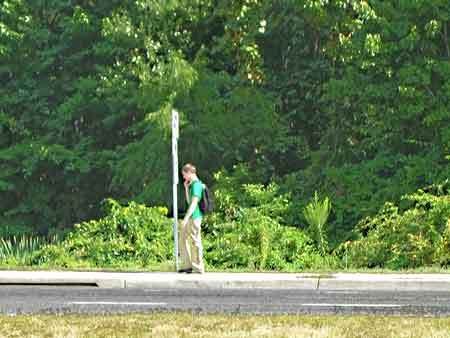
But first there were errands to run which required a bus/bike combination. I waited on one side of the road for a southbound bus while a young man waited on the other side of the road for the northbound bus. Both buses were late and I noticed that he paced up and down while talking on a cell phone. His conversation could be heard now and then over the numerous passing cars.


There was something very intense in his voice. It was emotional and it sounded if he was near tears. I postulated that he was having an argument with his girlfriend or arguing with his mother. He was a very young man but he already had that tone that men reserve for talking to women. At one point I heard him sob, "You've got to help me. Something terrible has happened."

The traffic was too ferocious to cross the four-lane road and offer my assistance. He was clearly very upset and it broke my heart. I tried to look away to give him some privacy though he was oblivious to my presence.
Finally he snapped the cell phone shut and walked several yards forward and kneeled down to the ground. It was then that I saw the problem. At first I thought it was road trash but then took on the appearance of a mangled furry pile was lying by the roadside. It was impossible to tell if it was a dog or a cat.

With such tenderness the young man leaned down, picked whatever it was and walked it to the edge of the woods to a shady area and laid it down on the ground. He took out his cell phone again, opened it, but then snapped it shut again.

He'd grown up a little in that moment. He'd faced something very sad, reached out for comfort without finding it, and instead drew on his inner strength and bent to the task at hand. I wonder if when he is an old man he will remember that moment. I doubt it.

There will be so many more moments more poignant to deal with and grow with. He may not remember it; but I will.I was no longer in the mood for errands and wanted to ride somewhere quiet and serene where I could just zone out on a Sunday afternoon in the last dregs of summer.


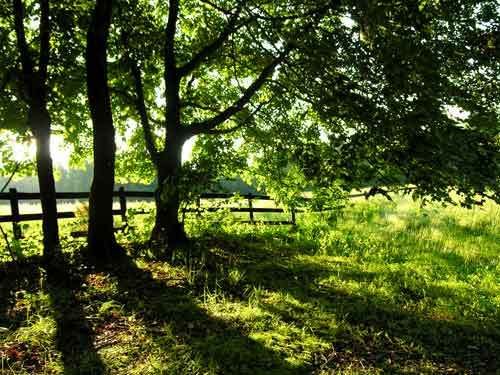
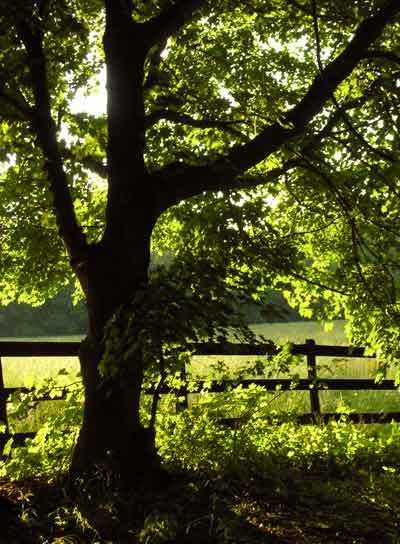
I found a bucolic spot that erased every feeling but wonder and appreciation of the stoic nature of trees. When things get bad, a tree can't just uproot and move. They have to bloom where planted and deal with what comes.I always think of trees as being feminine. Perhaps it the sway of their limbs and the rustling of their leaves that reminds me of women. Perhaps it's the deep roots that ground them. Perhaps it's the way they provide shade and comfort to anyone passing by.


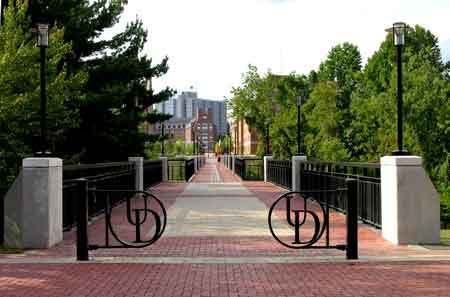
Refreshed and recharged, I take a spin over the pedestrian/bike walkway that transverses a deep gorge between the University of Delaware new dormitories and the remainder of the campus.


It replaces a very steep path full of hairpin turns and steep ascents/descents that must have been a killer for bicycles.


I pedal through the campus on the Sunday before classes start. There are parents and kids everywhere unloading cars and new shiny bikes filling up the bike racks. There is also the evidence of bicycle theft in several places.


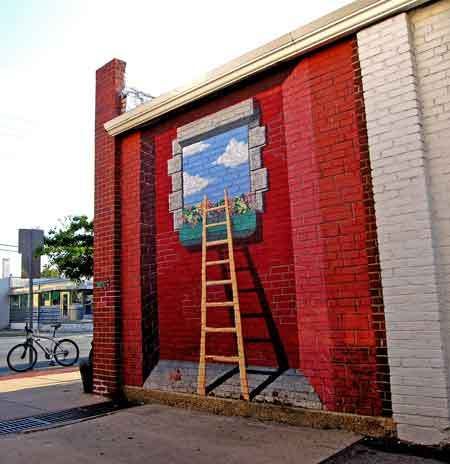
I stop for some lemonade and admire a building mural that invites you to climb the ladder.


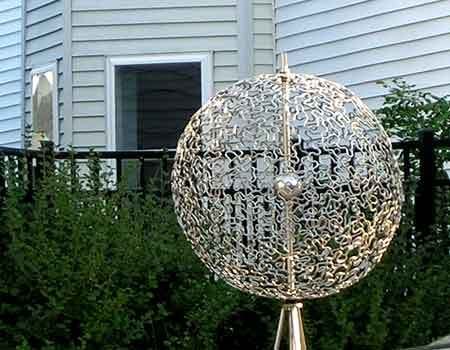
.....as well as ponder some odd yard art......


But it's time to become Lewis and Clark and find the Northwest Passage. There is a section a mere 100 yards long through some single-tracked areas that would shorten my ride to my favorite bike store, camera store, and steak house. Surely it should be a simple matter of finding the path....


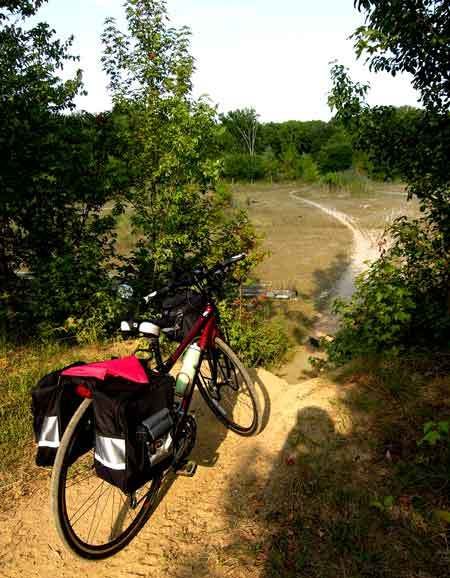
With very little effort I actually do find a single-track path at Point A and merrily roll along on it on a hybrid bike not designed for such shenanigans. The path goes on and on and I ponder the fact that I don't have a spare tube even if I could remember how to change a flat tire. The path goes around a bend and there in the distance I can see the other side that leads to the deserted Continental Drive no longer used by cars. There seems to be a little hill with a drop-off ahead but I figure that I can always walk it if need be. I think that only until I reach the drop off....


...and discover that it's a good 50 feet STRAIGHT DOWN with no slope. So, like Moses who was allowed to see the Promised Land but was not allowed to enter it, I turn around, take the long way around, and console myself with a filet mignon at Bugaboo Creek Steak House.

THE GARDEN OF HOPE


The expansive Christiana Hospital campus is between my home and a major shopping area I frequent on my bike rides. Today I discovered the "Garden of Hope" that has been newly added outside a new Cancer Treatment Center. There is a gazebo next to a pond with fountains and a Canada goose conclave.


I stopped for my lunch picnic in the gazebo.


It's very peaceful and quiet. The fountains in the pond drown out all traffic noise and random thoughts cluttering your brain. I noticed a memorial in the distance.


I went to investigate and found a memorial plaque that made me catch my breath as tears stung my eyes.


I sat there for a long time taking it all in....the intense poignancy of it, the scores of women who lost their babies, the women yet to come who would add a name to a bronze leaf. The surroundings of the memorial tree plaque had a distinct feminine feel to it. The keens and ululating of centuries of women who lost their babies hung in the air from the collective consciousness. The leaves of the bronze tree appeared to be rustling in the breeze and dancing in the sunlight. I had to stand very close to see that they really were not moving, they were reflecting the sun.


Surprisingly it was not an oppressively sad place for only a few feet away was the Garden of Hope and the Walk of Hope pathway. It's what women do....pick up and go on, often with the camaraderie of other women.

But sometimes, we must go it alone and when no one is looking, and after the acceptable time limit that others will give us, sometimes we need to go alone to a private place and place a wreath for the anguish in our hearts.


And then we come back from that private journey with the instinctive urge to be with other women who know where we have been and may go again. There is such joy and beauty in that.

I want to honor all women who has loved and lost, and women everywhere yet to take that path. I worked a photo through Photoshop of fountain sculpture I found in a park. Women of all sighs and sizes who draw strength, humor, and knowledge from other women on the same journey.


Yes, I'm sure of it. Those bronze leaves that seemed to move weren't just reflecting the sun. No, the babies of our heart are definitely dancing.

TANGIBLE/INTANGIBLE BENEFITS OF BICYCLE COMMUTING

A record day of 12 miles on the bike.

What to do with a bike on a lunch hour?

How long has it been since you've reclined on a luscious lawn of grass without having to park the car, find a spot, and then fidgeted because you are "supposed" to be doing something else.

On a bike, this is a snap. Put a foot down, stop, and collapse in a bed of Kentucky bluegrass, closely-clipped but not so close that you can't run your fingers through it and ponder how wonderful nature is.


Have you ever noticed that some blades of grass are blue?????


Or pondered the stately, albeit degenerate nature of another relic like yourself?


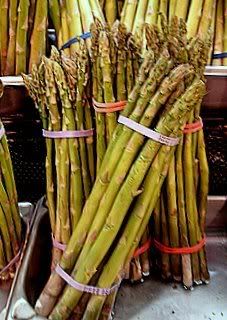
Or eavesdropped on a conversation between the asparagus and the rhubarb at the Riverfront Farmer's Market?


"Hey Rhubarb! Get a load of that tomato that just walked by!"

Back at work you convince your princely manager that it's a dire emergency that you have your gearing upgraded that afternoon and you need to take a few hours of vacation. Being a Prince with the Wisdom of Solomon, your manager recognizes the earth-shattering need for this emergency vacation leave.

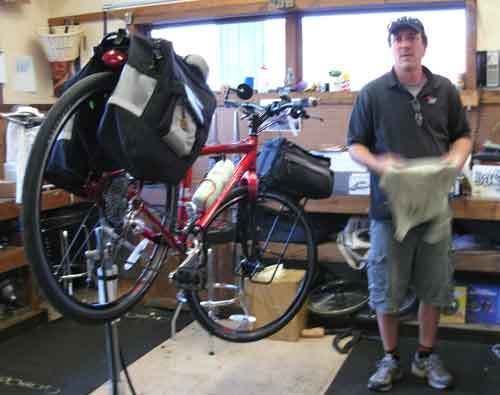
A bus/bike ride to Bikeline, and you want to ring your hands to see Trekkie exposed in such a proctological position before surgery. Howard, the store manager and expert bike mechanic sterilizes his hands with a greasy rag and tells you to come back in two hours.


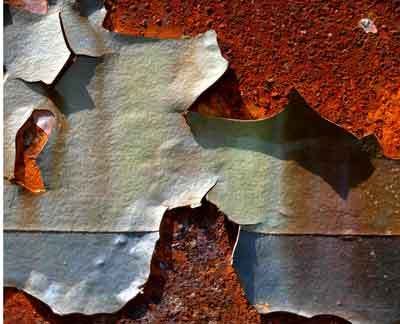
There's not much to do in downtown Newark, Delaware for two hours. You can watch the paint peel....


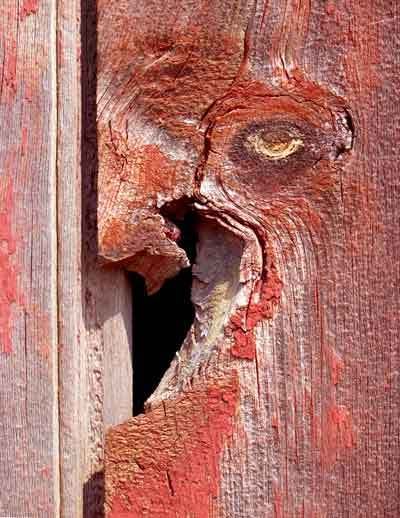
You can find faces in the wood of derelict buildings being renovated....


You can shop for items that won't fit in your bicycle saddlebags even if you could afford it...


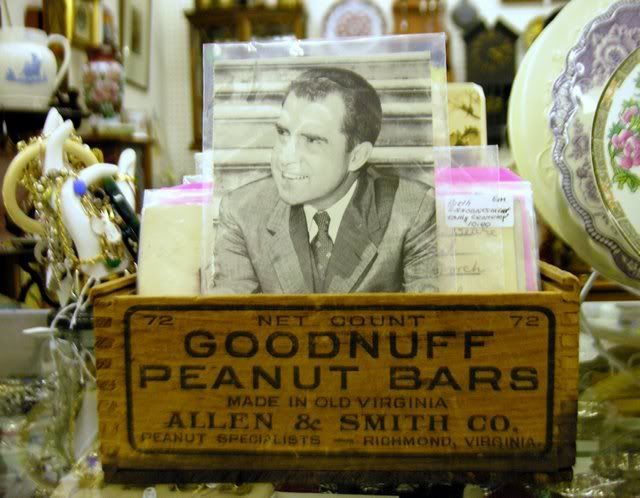
You can stop in an antique store and ponder that fact that while others were doing drugs and rock and roll you were campaigning for Nixon. And then you can ponder that drugs might have been a wiser choice.


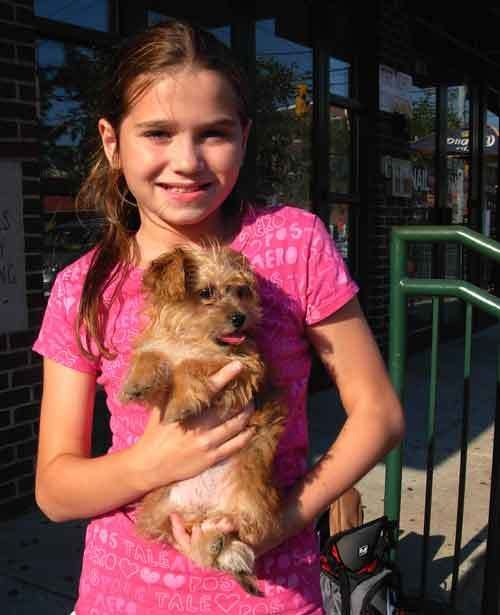
You can meet a little girl with her new puppy Riley (all 6 inches long and 2 pounds of him).


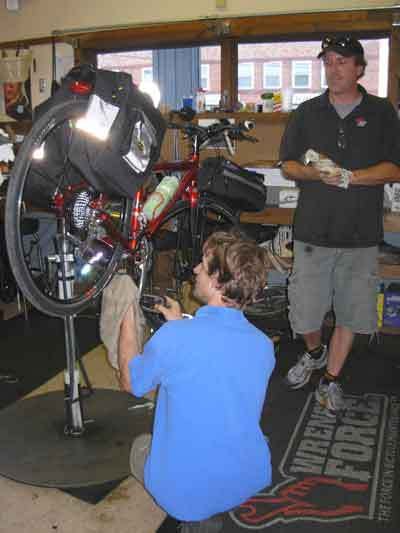
And then you go back to the bike store to gather your reamed and gleamed new gearing system. So Howard sends you out on a test ride and in your exuberance you sail down a road, shifting all the way through the 27 gears and ummmmm.....well accidentally you end up on both large rings and suddenly the gears grind to a stop and you've broken the bike and have to walk it back to the bike store in anticipation of three men who will find the whole thing very amusing.

"Good God, Howard! She did what? And you said with her panniers loaded she'd never make it to the third ring and get in trouble."


So Howard reamed things out again and loosened up the chain so "Rocket Lady, won't get in any more trouble."


Two trips around the Hall Rail to Trail and I went home and collapsed.

Saturday, September 6, 2008

TO RIDE THE WIND.....AGAIN

The View from Pardes has turned on a dime, or more precisely it has turned on a 700x32 bicycle tire.

Such moments have a way of sneaking up on you. One minute you are a comatose driver of a car stuck in an interstate gridlock and the next moment, you are discovering that change is as easy as it is sneaky. You never forget how to navigate change…. It’s easy, it’s like riding a bike.

Last year when I turned 62, I realized that I no longer noticed the seasons change and that I was working the majority of my waking hours, passing out in front of the TV, and repeating this day after day.

I attempted to remedy this with mixed results and none of them permanent.

One of my brainstorm solutions was to take the bus to work. This would stick my tongue out at the escalating gasoline prices and it would force me to get some exercise by walking 0.4 miles to the bus stop twice a day.

This was a great plan. I actually started becoming aware of my surroundings again. The weather, the nosey or catatonic or secluded neighbors, and the time on the bus allowed me to read, nap, or fraternize with the myriad of people who ride the bus.

The only snag was the severe spinal and hip arthritis that made even a 0.4 mile walk completely impossible without taking pounds of pain killers.

“I know what to do,” I thought one day as I limped home in pain. “I’LL GET A BIKE AND RIDE TO THE BUS STOP.” The irony is that even if you can’t walk ten steps without severe pain you CAN ride a bicycle for miles and miles with a smile on your face.

Who would have thought that such a utilitarian idea would blossom into an obsessive hobby as that which a bicycle brings into your life.

Such things as gear inches, saddle fit, land topography, the time of sunrise and sunset, and the weather channel became uppermost in my mind.


I splurged and bought a hybrid bike, my beloved Trek 7.6 FX, which would be light enough to lift unto the bus bicycle rack and a bike that had the required granny gears to keep me moving on what were to me the Mt. Everest hills of Delaware.


Within a month I’d lost 25 pounds, significantly lowered my blood pressure, and acquired a sense of contentment that I haven’t felt since that first time I learned to balance a bike and ride with the wind.


More and more Baby Boomers are taking up their bicycles and leaving their pains and worries and distractions behind them and rediscovering their generational pledge to change the world beginning with themselves.

At 30, I resigned from a successful career that had me on the fast track in the chemical industry. I felt like Peggy Lee singing “Is That All There Is,” as I turned in my letter of resignation with the quote from Charles Dubois, “The important thing is this: to be able at any moment to sacrifice what we are for what we could become.”

I never regretted that decisive change or the others following it. Indeed, once again, I revel in becoming myself once again but this time from the seat of a bicycle.

Tuesday, January 1, 2008


When Donkeys Fly


photo by Connie Girard (*)


I know a donkey named Nellie who once demonstrated the intention of movement so artfully that it would have made you weep with joy. Nellie lived on the farm of a retired veterinarian who owned many championship thoroughbreds and kept Nellie as a "lawn ornament" who was required to do nothing for her keep but be a donkey. She had never been ridden or trained or even asked to walk across a paved road and therefore spent a lifetime flatly refusing to walk on pavement or gravel. With hundreds of acres of pasture, it was rarely an issue.

It's a haughty group of horse people that live in this area. Too much money, too much fox hunting, too much too much. Too haughty to even lower their eyes to mock the substandard confirmation lines of an aging donkey and an aging eccentric woman who came to the stables to visit a donkey.

You'd think a donkey so seemingly starved for personal attention would fawn and beg and bray and heehaw for the carrots, apples, and peppermints I brought. Not Nellie, proud Nellie so busy with living her donkeyness.

I have spent hours in the pasture reading, writing, napping, feeding Nellie all manner of delicacies from the farmers' market, brushing her, petting her, flipping her lovely ears like radar antennas. When I would laugh, she would bray. What gusto there is in a donkey bray! The whole body takes part and infectiously requires some kind of response from the universe.

Nellie moved very slowly and not before a great deal of deliberation went into the decision of whether to move, where to move, and why to move. This was fine with me. I'd hold a carrot in one hand while I read and eventually Nellie would find her way to it.

At the time, I was reading about Chi. All very interesting but I wondered where does chi reside when one isn't moving and in what form. When a dozen thoroughbreds thundered down upon us with flying hooves and tossing manes to steal the fruit and vegetable booty, it was easy to witness the life force coursing through their bodies. They are bred without a rheostat. They are either on or off and bred to run so swiftly that it takes the breath away to witness it and fires our carnal hedonistic desires to saddle up and ride that sense of abandonment so carefully choreographed as an almost out of control flight from gravity.

Yet it was a donkey never ridden that was chosen to bear a messiah into Jerusalem and it was an old testament donkey, not a man, not a thoroughbred, who saw an angel blocking the road and refused to move even when beaten, the same donkey who spoke to Balaam of his folly.

So lie down in green pastures with me and contemplate the chosen nature of a homely aging donkey and try to catch a glimpse of subtle chi as one slender burro leg raised itself off the ground and slowly came down again before another foot started to move and then the next foot and the next and then a pause of movement that was no longer an empty category or the mere absence of movement but a gathering of intention, a wisp of desire that existed with its own sense of purpose and humor.

As a myopic human who can't see angels in the middle of the road, I was not shown this feat of feet with just one step or two but dozens and dozen of graceful steps until I could match my breath to the slow cadence and realize that my own breath existed with its own consciousness, sense of purpose, compassion, and even humor. It made me laugh and dance with a donkey, and the donkey kept time and brayed.

*************************************************************************************

(*) As a responsible blogger, I contacted the artist who took the photo of a donkey that I wanted to use in my blog. I have no pictures of Nellie as they were all lost in a house fire that took all my possession, computers, cameras, photos, and the memories of 56 years. A blessing in a way, a clean sweep, and the promise of starting all over again.

I politely asked Connie for permission for a "one-time use" and was rewarded with finding a new friend, who like me, underderstands the transcendence of love, compassion, and sharing the journey back to Pardes. Please visit her website at http://girardartgallery.com/home She also rewarded me with the promise of sending me a print of "Nellie" as a gift! Glory Be.

Riverfront Market


This area of Wilmington, Delaware used to be an eyesore of abandoned buildings serving as crack houses. A billion dollars later it's now a tourist attraction and a magnet for the lunchtime business crowd from the banking community.

I'm surprised how reticent people are when someone passes by with a camera. It's not vanity as much as a worry that their privacy is being invaded. However, I pose no threat since I appear to be someone's dusty-rose aging Aunt and certainly not a reporter or an artsy-fartsy student trying to capture the gritty or flagrant or "real" side of life.

In the late 70's when I first got a long telephoto lens, I found that you could capture people in their private moments of reverie without their knowledge. The power of it was intoxicating until I happened to focus the lens on a young Amish girl in Lancaster caught unaware and sweeping the concrete free of leaves that lead to the barn .

She paused for a moment to brush away a wisp of her auburn hair that had escaped from her bonnet and you could see her expression shift away from "idle hands are the devil's workshop" to some thought that made her cobalt blue eyes sparkle. The wind was swirling the leaves up around her and it would have been an award-winning shot.

But I did not click the shutter. It was a rude invasion of privacy and it would have been a "sin" to steal her private moment for my own.

After that I never took another shot without permission from the "model" or without sharing the photo for their approval.

I found this captivating young man in his stillness amid the adrenalin-charged business executives who hurried by and demanded "no mayonnaise" on their club sandwiches and "Evian water please, not Deer Park water."

After taking the photo of the young man, I walked up to him and showed him the view screen. "I took your portrait. Hope you don't mind. You are very handsome and I love the peaceful stillness you bring to the market." He nodded in quiet approval.

"Wow, get a load of that Tomato!"


After I had a conversation with the vegetables at the produce stand, I gathered my club sandwich to go ("EXTRA mayonnaise please") and headed to the door to leave but heard a voice behind me. It was the same young man now behind the counter of his small news stand unlocking the cash register to begin business again. "Miss," he said to me. "You are a lovely day."

Perhaps he really meant to say, "You have a lovely day." But something tells me he meant exactly what he said.

Sunday, December 30, 2007


Photographing Angels – Part II


Once the brisk dawn air, still damp from a sudden shower, touched Geneva's face, all tiredness evaporated and she reached for her Nikon Coolpix digital camera in her messenger bag and set out for the Reading Terminal Market where she was assured of finding tasty food, a diversity of people and objects to photograph, and more importantly, the favorite diversion spot she looked forward to each time she returned to Philadelphia, the placed that served as an anchor, as "home".


Reading Terminal was not officially open for business yet, but regulars knew the Arch street door was unlocked for deliveries and several of the food vendors would already have fresh coffee and tea and pastries on display. She sat down at a Formica-topped table at Nunzio's Nook, a 1950's retro diner that anchored the enclosed farmer's market western wall. It was the best place on the planet for fresh "never frozen" juicy hamburgers and thick, intensely chocolate milkshakes.


Rows and rows of family-run stalls stretched before her with farm produce, bakery goods, flowers, arts and crafts, specialty food vendors, Pennsylvania Dutch meats and poultry, and dairy and cheese markets that took up an entire city block. Chefs from the finest local restaurants were already scouring today's offering for the freshest meats and produce before the doors officially opened to the general public.


She settled down for a relaxing cup of chamomile tea and allowed her mind to wander, a delicious freedom she rarely had time to enjoy. Resting her chin in the cup of her palm, she closed her eyes and felt the bone-weary tiredness overtake her again. She felt herself falling without the energy to stop the descent and then was startled awake when a crate of oranges fell to the floor sending a gunshot sound through the aisles of stalls now bustling with customers.


***


Geneva stretched and raised her camera and focused the lens on a five star local celebrity chef from Le Beq Fin carefully smelling tomatoes and juggling lemons in the air. She panned the camera lens to follow the arc of the lemons and found herself staring into the lens of another camera apparently focusing on her. She lowered her camera and looked at the teenage boy in a wheelchair. He panned his camera left and right, stopped to smack the top of the camera with his right hand and then panned the camera again. Finally he dropped the camera in his lap and lowered his head. The man and woman on either side of the boy's wheelchair leaned into him. The woman stroked his hair while the man picked up the camera and fidgeted with the buttons. He noticed Geneva watching him, noticed her camera and immediately crossed the twenty steps separating them. The woman, pushing the wheelchair followed him.


"Excuse me, Ma'am. Darin plans to be a famous photographer someday but right now we are having trouble with his new digital camera. Do you know anything about digital cameras?"


"A little," she said, studying the vacant stare in the boy's eyes. "Good, we are in luck. He's using the same model camera as mine."


The boy looked up and stated, "Nikon Rocks!"


Geneva laughed and leaned into the man so that only he could hear her words. "Is your son blind?"


"Yes, as of six months ago." He looked into Geneva's eyes as so many other parents had when seeking understanding more than her help. "It must seem ridiculous to you…. A blind boy with a camera."


"Unusual, yes," Geneva replied.


We gave him a camera for his sixteenth birthday six months ago. He was fooling around with his friends and trying to take pictures of his friends doing motor-bike jumps over a stack of logs. Billy, his best friend, miscalculated his jump and plowed right into Darin. He fell back into the logs…."


"I'm sorry," Geneva said.


"It really threw Darin for a loop. He isn't snapping out of his depression and just seems shut down. I found this new camera with automatic focusing and metering. So he could still take pictures even though he couldn't see. It's the first thing to interest him since the accident. Now he seems obsessed with trying to capture a photograph of these strange lights that he sees.


"He was so active before," the boy's mother added.. Now all he can see is dim light and blurred shapes."


"And flashes of color now and then," the father added. "Though we don't know if he is really seeing color or just remembering it."


"Maybe the color is an artifact of brain function, not something actually visually perceived," Geneva said. "Neurochemical color."


The boys' parents stared at her. She could see their ease with her slipping away on the heels of her technical words.


"But then what do I know?" she said. "I read a lot and sometimes think I know more than other people. It's a bad habit." She studied the camera. "But I have good news about the camera. There's nothing wrong with it that a new lithium battery won't fix." She reached into her messenger bag and extracted a spare camera battery and installed into the boy's camera. "There, she said. It will work now." She scrolled though the digital photographs stored on the camera's memory card.


Geneva expected to see blurred images without form or artistic composition but was surprised to find subjects caught in sharp focus yet skewed in a fascinating manner from a different perspective that gave them new meaning. "Darin, these are very interesting," she said as she stepped over to the wheelchair and kneeled down beside him.


The boy smiled and raised his head. "You like them? Really?"


"Oh yes." She continued to scroll to the end of the images. "I especially like the ones of the beagle. Is that your dog?"


"Those I just took for fun. Did you see the one of him wearing the antlers at Christmas? Did I really get the antlers in the picture too? Mom and Dad says all my pictures are good but you know how parents are."


"Indeed I can see the antlers," Geneva said. "There almost as big as the dog."


She scanned through the photos for a second time and caught her breath at a picture of an older woman eating grapes from a nearby fruit stand. The photograph was of herself. But that was impossible! She had not yet ventured on her tour of the stalls that would take up the remainder of the morning and end with several bags of fruit, vegetables and cheeses to take home to her apartment.


"You even caught a photo of me," she said dismissing thoughts of the improbability, impossibility of the photo. She must have simply forgotten stopping by the fruit stall on the way into Reading Terminal. "I look older than I realized," she said. "And far pudgier than I want." The boy laughed.


"You do seem to be having some trouble with your ISO setting in some of the photographs. Some of them are a little blurred with flashes of light. Almost like a double exposure. I can reset the ISO value to a lower number. That might take care of it."


He smiled and took the camera from her, fingered it until he found what he was looking for and then pushed the shutter release button. This time it snapped as it should. "Blurring?" he said as his eyebrows arched in thought. "Oh, you mean the angels?"


"Angels?" Geneva asked with her eyebrows arched to match his.


"At first, I thought it was just strange lights that I was seeing. Especially right after the accident. But then I figured it out. It's angels. They are like hummingbirds. Hard to photograph no matter what film speed you use."


***


Long after the boy and his parents left, Geneva pondered the thought of photographing angels. It was remarkable how people coped with crushing adversity. Who was she to try and dissuade a young boy from his thoughts and images of angels. To a cold impartial scientific mind, his "angels" were nothing more than symptoms of detached retinas. But as she finally opened and read the results of her MRI scan and other test results sent by her doctor, Geneva wondered if their couldn't be room for other ways of diagnosing reality.


"Bad news?" a voice said from behind her.


She turned to face a tall, lanky middle-aged man dressed in jeans, black turtleneck sweater and wearing sandals. Benjamin Bernard, a friendly, capable man who filled in for Penn's chaplain when the chaplain was away on vacation or attending meetings. She'd only met him a dozen times or so at the hospital but each time had been thoroughly positive with the way he ministered to families in time of crisis.


"Bernard," she said. "How nice to see you again."


"Likewise," he replied and motioned again to the file she was reading. "Bad news about a friend…someone you care about? It must be, from the expression on your face."


Geneva nodded. "Confirmed Alzheimer's," she said. "Progressing at an accelerated rate. Memory loss, intermittent amnesia. Neurological manifestations. All leading to total disability in the near future."


"There aren't any treatment options?" Bernard asked.


"Oh sure," she said. "Some aspects of the disease can be mediated but the progressive cognitive loss can't be stopped." She closed the folder. "In six months this person will not remember their name on infrequent bad days. And on good days, they won't be able to work or balance a check book, or follow the plot of a movie. And worst of all, they will know that things are only going to get worse."


"I'm sorry," Bernard said. Dementia is the hardest thing to counsel a family about."


"There is no family in this case," Geneva said.


Bernard shook his head.


"But please, Bernard, let's think of happier things. Tell me of your newest plot to convert the citizens of Philadelphia."


Bernard winced. "When I turned forty, I realized how smug I used to be, how I force fed the Gospel to anyone I could button-hole. Though I thought otherwise at the time, there wasn't much difference between me and the dogmatic teachers of the tradition that I abandoned. I just packaged the message differently, adorned it with New Age garlands, though at the heart of it, it was still involved in forcing others to agree with me."


"Bernard, I'm sorry. I wasn't implying that you aren't genuine, In fact, you are one of the most genuine people I know."


"Thanks," Bernard said. "I didn't take offense."


"So tell me what's happening at the mission you opened last year. It's just down Arch Street, isn't it? The storefront next to the Chinese take-out restaurant?"


"Yes, I'm still there. I thought it was going to be a matter of ministering mostly to the homeless. A soup kitchen, AA meetings, a stopping place for the mobile health clinic, that kind of thing. But it's turned into something quite different."


"Really?"


"Yes, I seem to be dealing more with those who are just a paycheck or two away from homelessness. Those who are just barely holding on. Where even the slightest adversity will push them over the edge. A lot of seniors. A lot of single mothers. And quite a few from nearby businesses who stop by on their way home from work."


"What is it that you actually do there? Hold church services and bible study?"


"Well, there is a chapel and I do have a regular service twice a week, but mostly I just prop the door open in the morning and see what happens."


"Well?"


Well what?"


"What happens?"


"Okay, take yesterday for instance. Juanita Garcia stopped by on her way to work with her three-month old baby. She chatted for a moment, changed the baby's diaper and left."


"And?" Geneva prompted.


"She works across the street as a seamstress for the laundry and drops her baby at the subsidized Episcopal Church daycare down the street. At noon, she stopped by with her baby again for her thirty-minute lunch break, fed and changed the baby's diaper and returned the baby to the daycare center and then went back to work." Bernard paused again, obviously enjoying Geneva's frustration at him for not getting to the point.


Geneva drummed her fingers on the table.


"And then, since Juanita works twelve hour days at the laundry, her husband Jose, who can only find day work now and then, picks up the baby from daycare and then he stops by to give the baby its bottle and change the diaper again. He talks about his family back in Mexico, how he misses them. And then he takes the baby home,"


"And the point to this story is what?" Geneva asked.


"It took me a couple of weeks to figure it out. I keep disposable diapers in the bathroom for emergencies when parents forget to bring them. Do you know how much disposable diapers cost?"


Geneva shook her head.


"Well it's more than Juanita and Jose have to spend. How are they supposed to make the choice between buying baby formula or disposable diapers? The choice between buying a bag of rice for their dinner or buying disposable diapers." He shook his head. "I never realized the choices some people are forced to make, day in, day out, the kind of choices that wear down your humanity and self-respect, inch by inch. So now I stock disposable diapers in every size in the bathroom. I keep formula powder in the kitchen along with bags of nuts and fresh fruit and nutritional snacks. And then people don't have to make those choices. At least for today. And sometimes they sit down and talk about their day, about their lives while eating a handful of nuts or munching on an apple and they don't feel ashamed or worn down anymore. It's about offering only what is needed, not as a handout but just as something a friend might have on hand when you drop by for a visit. That and nothing more.


"A mission in the wilderness, indeed," Geneva said.


Bernard pulled a folded flyer from his pocket. "And on the lighter side, we have this for another population, the employees of nearby businesses who have plenty of disposable income but who seem to be empty otherwise. And searching. I started a series of workshops on subjects of general interest. The Arts Council thankfully has picked up the tab for supplies." He unfolded the flyer and slid it across the table to Geneva. "We've done Zen meditation, watercolor classes, even had a local astrologer come in and give readings. It has drawn together such an interesting community of neighborhood residents, day workers, and now there is always one or two of them hanging out to chat together at any time of the day or night."


Geneva unfolded the fluorescent fuchsia flyer and smiled at the contents.


"Remote Viewing for Dummies" Workshop


October 8, 2008

Sponsored by

The Philadelphia Arts


Council Neighborhood


Enrichment Series


Location: Wilderness Within Mission


Arch Street & Linden Avenue


Tuition fee: Free to neighborhood residents


All others - $5


Instructor: Brother Benjamin Bernard;


Founder, Wilderness Within Mission


The textbook, "Remote Viewing for Dummies," and the blank journal provided by the Philadelphia Arts Council are an invitation to suspend your disbelief, uncover your hidden creativity, share an evening with friends, and exercise your sense of adventure as well as your sense of humor.


The instructions are simple. After our centering and relaxation exercises we will concentrate on a specific geographic location identified only by its' GPS location. As a group, in stillness and quietude, we will hold this location in our imagination. In your journal, make notes of any images, feelings, or thoughts that come to mind. There are no right or wrong answers or time limits. Over the next few days or weeks, you may want to add additional notes or images for a particular location. During the next twelve weeks of this series, we will visit some of these locations in person or through photographs and compare what is there with what we recorded in our journals.


"What fun!" Geneva said. "Even if Remote Viewing is a crock. Say, you didn't happen to have a workshop on photographing angels, did you?"


"Pardon?"


"Just a joke," Geneva said. She raised her camera and focused on Bernard's amber-green eyes. She wondered if she could capture the required number of pixels to convey his compassion and the willingness of his open heart to make room for everyone. "Clearly an angel unaware," she said as she snapped the photo.


"Say, you wouldn't be interested in leading a photography workshop at the mission, would you?" He immediately shook his head. "But I suppose you are too busy…."


"No," Geneva replied. "I didn't realize it at the time. But something has come up." She slid the letter from her doctor across the table to Bernard. "I wandered away from myself today. Right here in Reading Terminal. And I didn't even realize it until a blind boy saw me and pointed it out."


As serene as Bernard projected himself in other troubling circumstances, this time he could not cover his confusion and anxiety. "Dear God in Heaven," he said looking down at the letter. "You are the Alzheimer's patient."


For previous blog entries, see the "Blog Archive" on the top right of the web page.